“Uniformity is the earmark of the physical world of mechanistic nature. Spiritual unity is the fruit of faith union with the living Jesus.” 195:10.11 (2085.3)
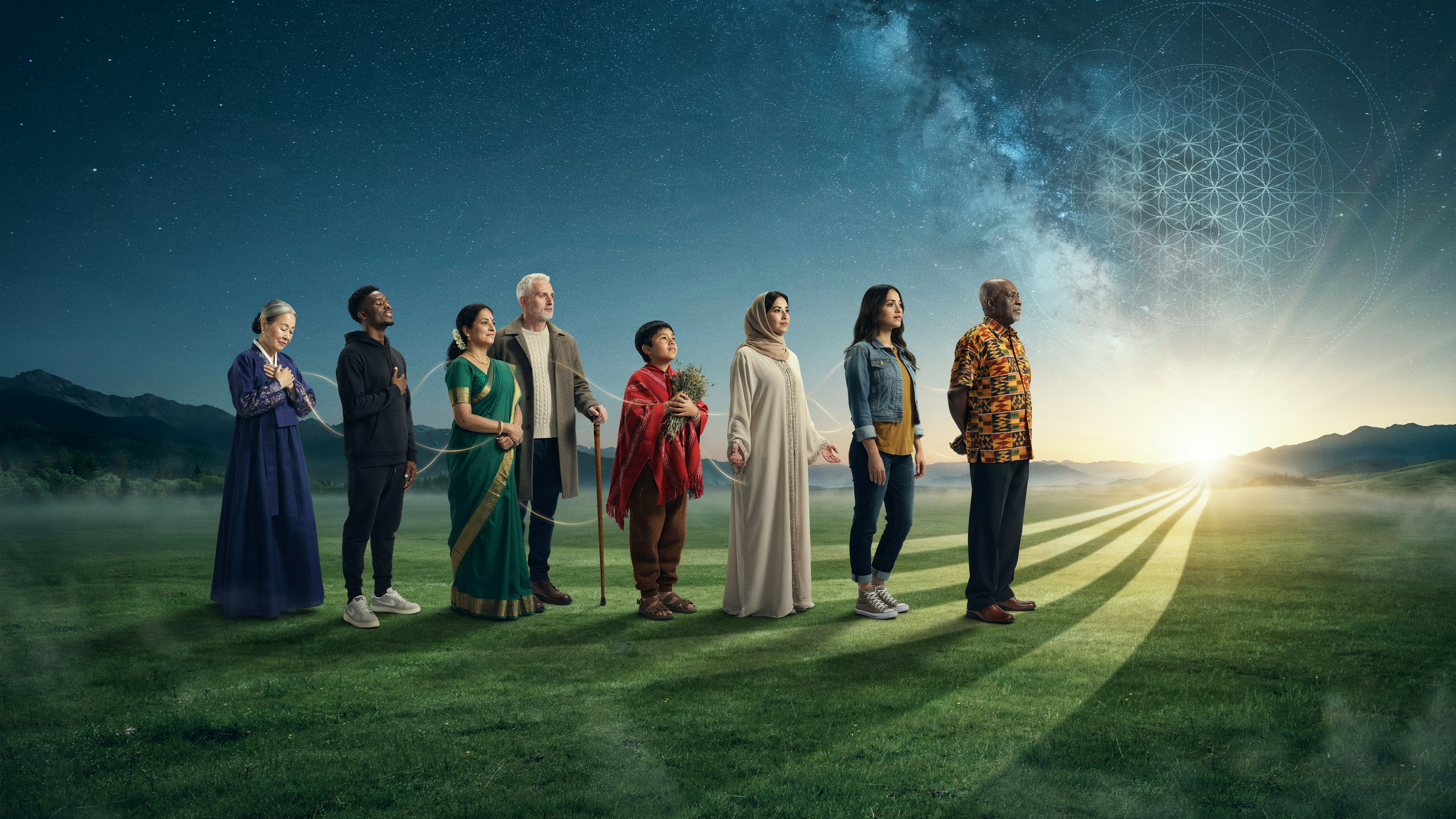
There is a profound difference between being the same and being one. The physical world often operates through uniformity. Machines function because their parts are standardized. Systems depend upon repetition, predictability, and sameness. But human beings are not machines. We possess different personalities, experiences, perspectives, gifts, and ways of understanding the world. Spiritual life does not erase those differences. Instead, it offers something far more beautiful: the possibility of unity without uniformity.
This distinction is particularly important in religion. We can easily confuse spiritual unity with agreement on every doctrine, identical practices, or belonging to the same institution. But if unity requires everyone to think exactly alike, then someone must eventually be excluded. Faith union with the living Jesus points toward something deeper. It is possible for people to have different backgrounds, personalities, and even different understandings of certain truths while sharing a common spiritual orientation—a sincere desire to know God, follow truth, love others, and increasingly live according to the example of Jesus. Unity is not the disappearance of difference; it is the discovery of something greater than difference.
Perhaps this is why spiritual unity cannot ultimately be manufactured through rules or imposed through authority. It grows from within. When people genuinely encounter the living Jesus, something begins to change in the way they relate to one another. The question shifts from “Do you believe exactly what I believe?” to “Are we both moving toward the same Father?” Instead of demanding sameness, we begin to recognize the divine potential in people who may express their faith differently than we do. We become less threatened by diversity because our unity is rooted in something deeper than human agreement.
And there is a beautiful paradox here: the more genuinely spiritual we become, the less we need everyone else to look, think, or worship exactly like us. The living Jesus becomes the center rather than ourselves. His life becomes the common ground. His spirit becomes the bond. We remain individuals, but we are no longer isolated individuals. We become part of something larger—a spiritual family whose unity comes not from uniformity, but from shared faith and a common direction toward the Father.
The world does not need everyone to become the same. It needs people who can remain different while choosing love, truth, and the Father together.
Where do you see the greater need today: unity within religion, unity within families, or unity across cultures?