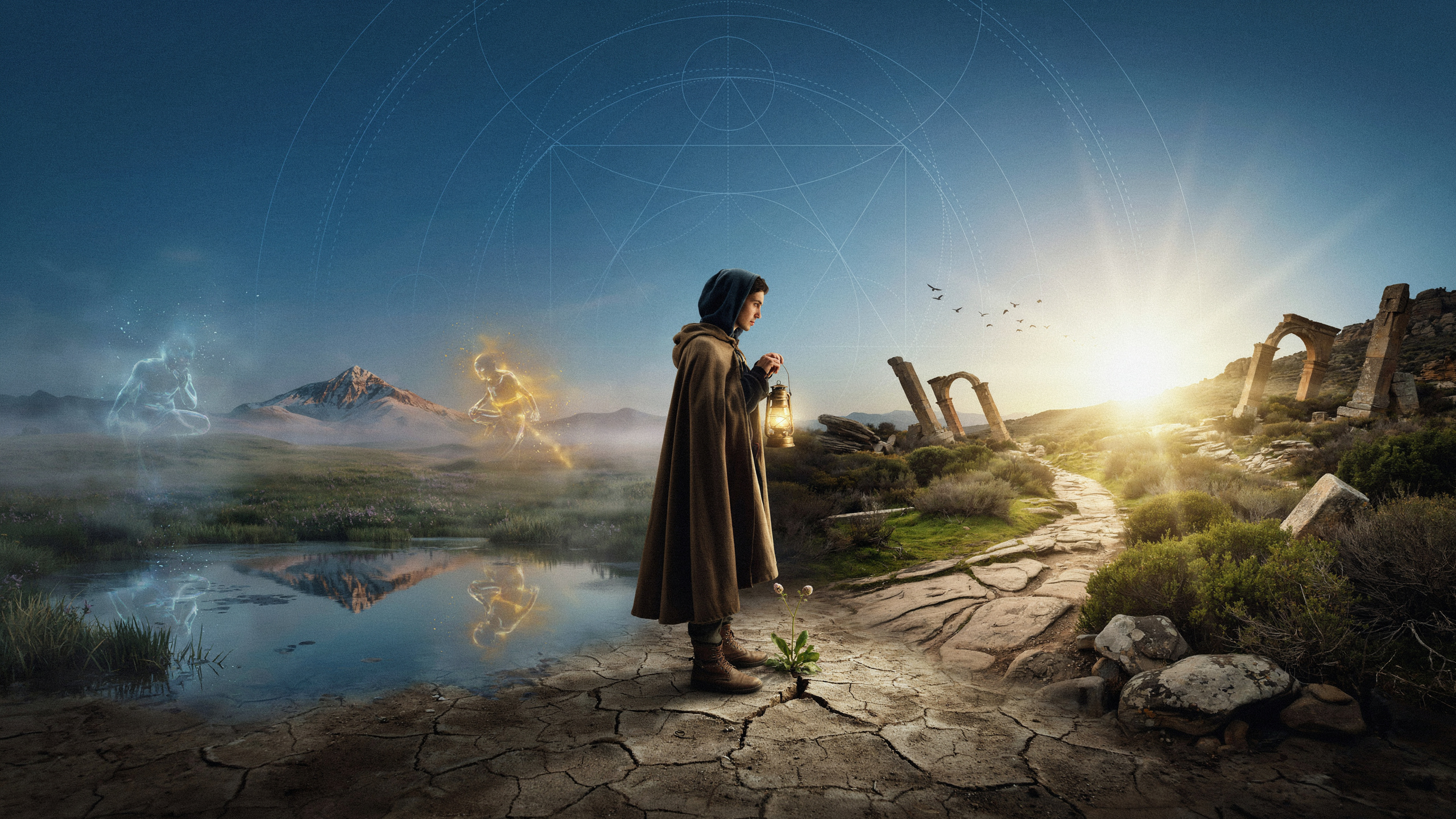
“[Those] who prefer optimistic illusions to reality can never become wise. Only those who face facts and adjust them to ideals can achieve wisdom.” 160:4.14 (1779.6)
There is a version of optimism that feels comforting but ultimately keeps us from growing. It tells us that everything is fine when it isn't, that difficult truths should be ignored, and that positive thinking can somehow substitute for honest understanding. But there is a profound difference between optimism and wisdom. Optimism may look away from reality when reality is uncomfortable. Wisdom looks directly at it—and then asks what can be done with it. The spiritually mature person does not need to pretend that life is perfect. They have enough faith to face what is real without losing sight of what could become possible.
The phrase “adjust them to ideals” is especially powerful. Facts tell us where we are; ideals help us determine where we should go. Reality might reveal injustice, selfishness, fear, failure, or imperfection. But simply recognizing those things does not create progress. We need higher ideals to transform what we discover. A leader sees a dysfunctional organization and does not deny it—but imagines what it could become. A parent recognizes a child's weakness without defining the child by it. A person confronting their own mistakes acknowledges them honestly while believing they can grow beyond them. Truth gives us the starting point. Ideals give us direction.
This is also the difference between genuine faith and wishful thinking. Faith does not require us to close our eyes to difficult circumstances. It gives us the courage to open them wider. We can acknowledge suffering without surrendering hope, recognize our limitations without abandoning our potential, and confront the imperfections of humanity without becoming cynical about its destiny. The Father's universe does not ask us to choose between reality and hope. It calls us to bring the two together—to see things as they actually are while remaining committed to what they can become. That is where wisdom begins.
Perhaps our greatest danger is not negativity, but the refusal to see clearly. An illusion may protect us temporarily, but reality is where growth happens. When we face facts honestly and hold them against higher ideals, disappointment becomes instruction, failure becomes opportunity, and problems become invitations to create something better. Wisdom is not the ability to make reality look beautiful. It is the ability to see reality clearly and then help make it better.
Where do you think wisdom is most needed right now: in your personal life, your leadership, or your relationships?