“God loves not like a father, but as a father. He is the Paradise Father of every universe personality.” 2:6.4 (41.2)
When we speak of God as Father, it is tempting to think we are borrowing a familiar human relationship to describe the divine. This revelation turns that assumption upside down. It tells us that fatherhood is not a metaphor projected onto God; rather, every expression of genuine fatherhood is a reflection—however imperfect—of God's eternal nature. Human fathers may succeed or fail, nurture or neglect, but they do not define what a father is. God does. His love is the original from which every authentic act of fatherly care is derived.
This truth also heals a common spiritual obstacle. Many people unconsciously measure God's love by the experiences they have had with earthly parents. For some, those experiences inspire trust. For others, they create distance, disappointment, or fear. But if God is the true Father, then His character is not limited by human imperfections. His patience is inexhaustible. His guidance is always wise. His discipline is rooted in love, never rejection. His desire is not merely to command His children but to see them mature into beings who freely choose truth, beauty, and goodness.
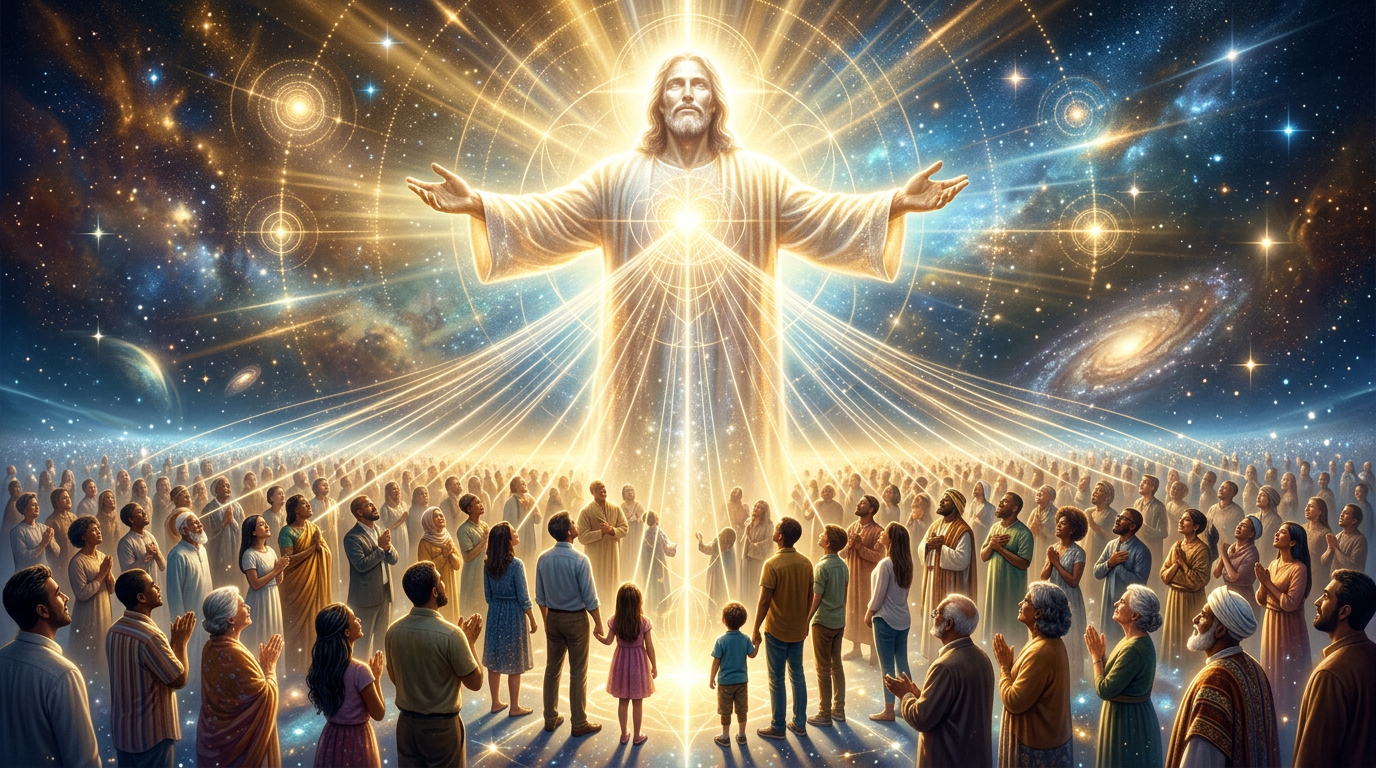
Perhaps the most astonishing implication is that every person in the universe shares the same divine Parent. Beneath our differences of culture, language, status, and belief lies a common spiritual origin. We are more than neighbors inhabiting the same planet—we are members of one universal family. When we begin to see others through the eyes of our common Father, competition gives way to compassion, prejudice yields to understanding, and love becomes more than an ideal—it becomes the natural expression of our shared identity. To know God as Father is not simply to understand a doctrine; it is to discover who we are and how we are meant to live together.