“The survival of democracy is dependent on successful representative government; and that is conditioned upon the practice of electing to public offices only those individuals who are technically trained, intellectually competent, socially loyal, and morally fit. Only by such provisions can government of the people, by the people, and for the people be preserved.” 71:2.19 (802.13)
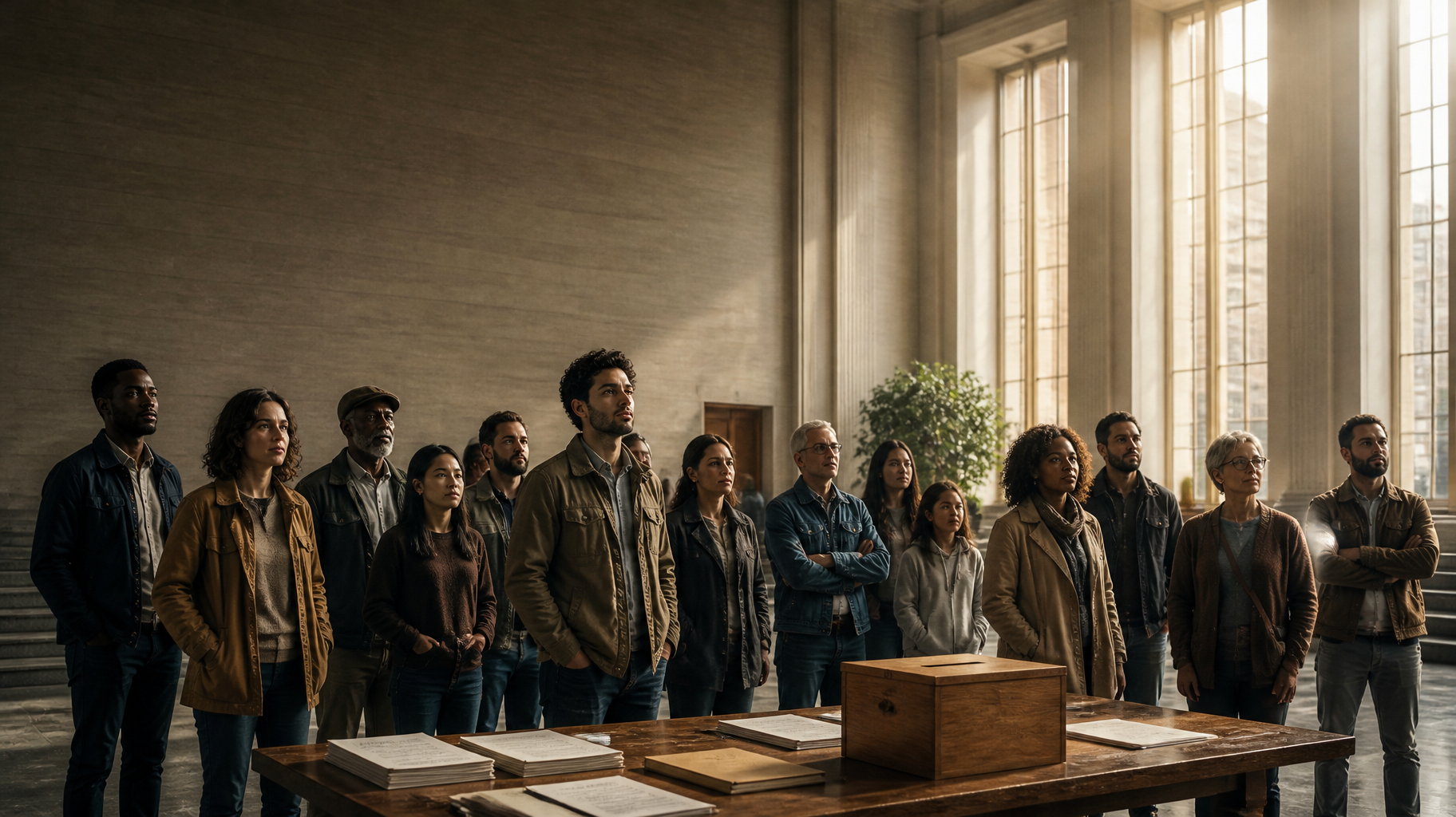
We often think of democracy primarily in terms of freedom, representation, and the right to choose our leaders. These are essential foundations, but democracy also carries a responsibility that extends beyond the voting booth. The quality of public life is deeply connected to the quality of the people entrusted with serving the public. Elections are not simply opportunities to express preferences; they are moments when citizens exercise their responsibility to consider who has the preparation, judgment, character, and commitment to serve the common good.
This invites us to look beyond charisma, popularity, political affiliation, or persuasive promises. Technical knowledge matters because governing involves complex challenges that require preparation and informed decisions. Intellectual competence matters because public responsibilities demand critical thinking and the ability to understand consequences. Social loyalty matters because leadership should recognize the needs and dignity of the wider community, not merely the interests of a particular group. And moral fitness matters because knowledge and authority, without integrity, can be disconnected from the very people they are meant to serve.
But this responsibility does not belong exclusively to those who hold public office. It also belongs to us as citizens. A healthy democracy requires an informed public willing to look beyond appearances, examine proposals, question those in power, and participate thoughtfully in civic life. It requires us to recognize that our choices affect people beyond our immediate circles. The quality of our collective decisions reflects, in part, the seriousness with which we approach our individual responsibilities.
Ultimately, democracy is more than a political structure; it is an ongoing exercise in shared responsibility. It asks us to value competence without overlooking character, to defend individual freedoms while recognizing our obligations to one another, and to understand that public service should be measured by its commitment to the common good. The future of democratic institutions is shaped not only by the people who govern, but also by the standards citizens choose to uphold.
Reflect
The next time you evaluate someone seeking public responsibility, look beyond their promises and public image. Consider their preparation, demonstrated judgment, commitment to the community, and integrity. What standards do you believe every person entrusted with public service should be expected to meet?